
Steel Culvert Systems
Galvanized Steel (CMP) remains the industry standard
for several specific structural and environmental reasons.
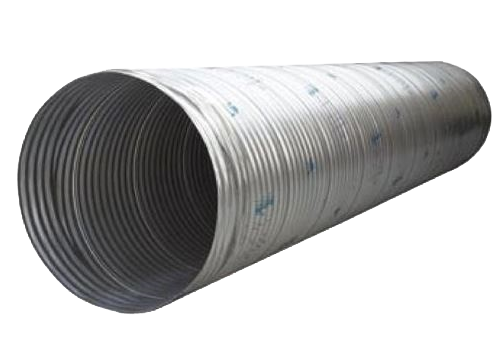
15" x 20' Steel Culverts
Galvanized Steel:
16-gauge, often with
re-corrugated ends
for easier coupling.
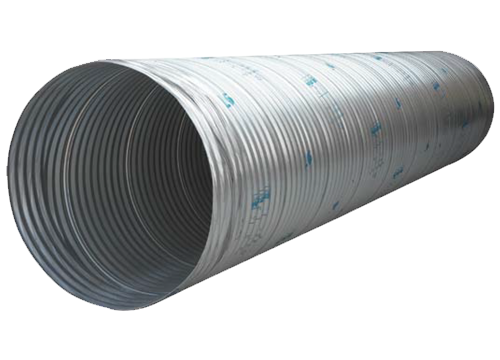
18" x 20' Steel Culverts
Galvanized Steel:
Commonly used for driveways, featuring 16-gauge steel construction.
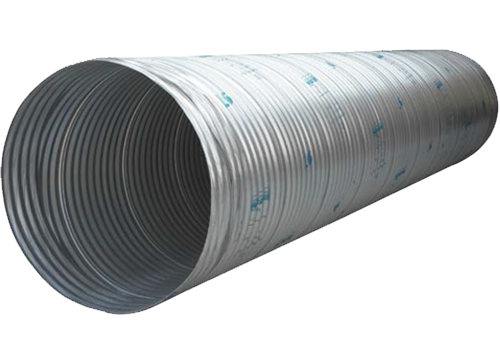
24" x 20' Steel Culverts
Galvanized Steel:
16-gauge steel, offering
high durability
and structural integrity.
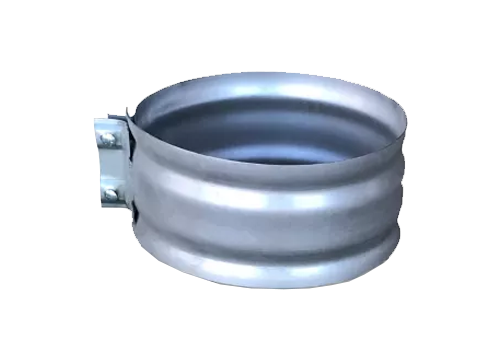
Galvanized Steel
Band Connectors
Galvanized Steel
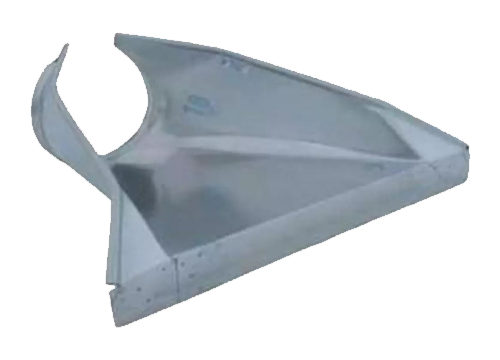
Aprons
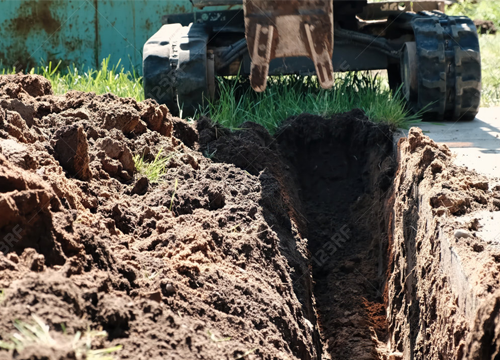
Installation
& Maintenance
Everything you need for your Culvert Systems
To connect galvanized steel (CMP) culverts, you use a Coupler (often called a connecting band or collar). Because steel culverts are corrugated, the connection system is designed to "lock" into those ridges to prevent the pipes from pulling apart under the weight of soil or water pressure.
According to the Culvert Systems page you are working on, here are the specific parts and features involved:
1. Connecting Bands (Couplers)
The most common part is a wide circular band of galvanized steel that wraps around the joint where two pipe ends meet.
- Standard Bands: These are flat or slightly corrugated bands that tighten around the joint.
- Huggins Bands: These have a specific profile that "hugs" the pipe's corrugations for a tighter seal.
2. Re-Corrugated Ends
As mentioned in the 15" Steel Culvert section of your site, many pipes feature re-corrugated ends.
- Standard culvert corrugations usually run in a spiral (helical).
- Re-corrugating the ends makes the ridges go straight around the circumference (annular). This allows the connecting band to seat much more securely, creating a more water-tight and structurally sound joint.
3. Hardware: Bolts and Angles
To tighten the band, two "angles" (L-shaped steel brackets) are welded to the ends of the band.
- Bolts and Nuts: High-strength galvanized bolts are threaded through these angles.
- When you tighten the bolts, the band cinches down onto the two pipe ends, mechanically locking them together.
4. Gaskets (Optional)
If the culvert needs to be "leak-resistant" (for example, if it is near a building foundation), a rubber or neoprene gasket is placed around the joint before the metal band is installed. This fills the gaps between the corrugations and the band.
NOTE: for 24" Steel Culverts, 16-gauge steel bands are typically used to match the thickness of the pipes themselves, ensuring uniform strength across the entire line.
Why choose galvanized steel
over plastic:
1. Superior Structural Strength
Galvanized steel is inherently more rigid than HDPE. This makes it the better choice for:
- High-Load Areas: If the culvert is being installed under a road or driveway that will see heavy machinery, semi-trucks, or high-traffic loads, steel offers higher structural integrity.
- Shallow Burials: Because steel is stronger, it can often be buried with less "cover" (the amount of dirt on top) than HDPE, which requires a specific depth of compacted soil to prevent it from ovaling or collapsing under weight.
2. Resistance to Extreme Heat and Fire
In areas prone to wildfires or where ditch clearing involves burning brush, HDPE is a liability because it can melt or ignite.
- Fireproof: Galvanized steel will not burn or lose its shape in a fire, ensuring the drainage system stays intact during and after an emergency.
3. Ease of Connection (Coupling)
As noted on your page regarding 15" and 18" Galvanized Steel, these often come with re-corrugated ends.
- This design allows for very secure mechanical coupling. While HDPE uses bell-and-spigot joints, some contractors prefer the "bolt-on" security of steel bands in shifting soils to prevent the pipes from pulling apart over time.
4. Resistance to Buoyancy (Floating)
In areas with very high water tables or frequent flooding, empty plastic pipes act like big air tanks and can actually "float" up out of the ground if not anchored properly.
- Weight: The natural weight of galvanized steel helps it stay seated in the trench during high-water events, reducing the risk of the culvert "popping" out of the driveway.